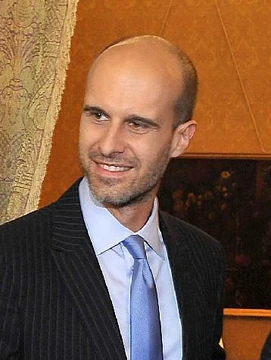
Arturo Ripstein
Mexican director known for somber, macabre independent films.

Arturo Ripstein y Rosen (born December 13, 1943) is a Mexican film director and screenwriter. He is considered the 'Godfather of independent Mexican cinema' and is known for somber, slow-paced, macabre melodramas that often explore existential loneliness with a grotesque edge. Ripstein is a nine-time Ariel Award winner, including five for Best Picture and two for Best Director, and three of his films have been nominated for the Palme d'Or at the Cannes Film Festival. In 1997, he received the National Prize for Arts and Sciences, becoming the second filmmaker after Luis Buñuel to receive that honor.
- born
- December 13, 1943
- field
- Film director, screenwriter
- nationality
- Mexican
- known_for
- Independent Mexican cinema, somber melodramas, Ariel Award wins
- awards
- Nine Ariel Awards, National Prize for Arts and Sciences (1997)
Verified Timeline
Lore & Background
Ripstein was born in Mexico City on 13 December 1943 to producer Alfredo Ripstein and Frida Rosen, of Polish Jewish descent on both sides. He developed an interest in filmmaking from a young age due to his family's proximity, making short films as a teenager. After seeing Luis Buñuel's Nazarín, he met Buñuel and developed a close mentor-student relationship that lasted until Buñuel's death. He worked as Buñuel's uncredited assistant director on The Exterminating Angel (1962). His first feature, Tiempo de morir (1965), was written by Carlos Fuentes and Gabriel García Márquez, beginning a tradition of making independent films written by high-profile Latin-American authors. His 1981 film Seduction was entered into the 12th Moscow International Film Festival, and his 1989 film Love Lies was entered into the 16th Moscow International Film Festival. Some of his earlier films 'highlighted characters beset by futile compulsions to escape [their] destinies.' Many of his films are shot in tawdry interiors with bleak brown color schemes and seedy pathetic characters who manage to achieve a hint of pathos and dignity. Así es la vida, according to Jonathan Crow, 'boldly reworks the ancient Greek drama Medea, employing a dizzying array of flashbacks and Brechtian devices.' Deep Crimson, according to the New York Times, is 'a ferociously anti-romantic portrait of an obese nurse and a seedy small-time gigolo whose bungling scheme to swindle a succession of lonely women out of their life savings turns into a killing spree.'
In 1997, Ripstein won the National Prize of Arts and Sciences, the second filmmaker after Buñuel to do so. He is married to screenwriter Paz Alicia Garciadiego, with whom he has two children. In 2003, the two received honorary Spanish citizenship.
Reader's Guide
Arturo Ripstein's significance lies in his role as a foundational figure in independent Mexican cinema, earning the title 'Godfather of independent Mexican cinema' through a body of work that consistently challenges mainstream conventions. His films, characterized by somber, slow-paced, macabre melodramas with a grotesque edge, explore existential loneliness and fate, often featuring seedy characters in bleak settings. His collaborations with high-profile Latin-American authors like Carlos Fuentes and Gabriel García Márquez elevated the literary quality of his work. Ripstein's nine Ariel Awards, including five for Best Picture and two for Best Director, underscore his critical acclaim within Mexico, while three Palme d'Or nominations at Cannes reflect international recognition. His receipt of the National Prize for Arts and Sciences in 1997, an honor previously given only to Luis Buñuel among filmmakers, cements his legacy as a key figure in Mexican cultural history. His mentorship under Buñuel and his later work with screenwriter Paz Alicia Garciadiego have shaped his distinctive cinematic voice.
Did You Know?
- Ripstein worked as Luis Buñuel's uncredited assistant director on The Exterminating Angel (1962).
- His first feature, Tiempo de morir (1965), was written by both Carlos Fuentes and Gabriel García Márquez.
- He is a nine-time Ariel Award winner, including five for Best Picture and two for Best Director.
- Three of his films have been nominated for the Palme d'Or at the Cannes Film Festival.
- In 2003, Ripstein and his wife Paz Alicia Garciadiego received honorary Spanish citizenship.
Frequently Asked Questions
Who is Arturo Ripstein?
Arturo Ripstein y Rosen is a Mexican film director and screenwriter born on December 13, 1943. He is widely regarded as the "Godfather of independent Mexican cinema."
What is Arturo Ripstein's filmmaking style like?
His films are characterized by somber, slow-paced melodramas with a macabre, grotesque edge. He frequently explores themes of existential loneliness throughout his body of work.
What major awards has Arturo Ripstein won?
He has collected nine Ariel Awards, including five for Best Picture and two for Best Director. He also received Mexico's National Prize for Arts and Sciences in 1997.
Why is Arturo Ripstein important to Mexican cinema?
He is credited as the "Godfather of independent Mexican cinema," helping establish a distinct national film tradition outside the mainstream studio system. His work gave voice to a darker, more introspective side of Mexican storytelling.
Has Arturo Ripstein been recognized at the Cannes Film Festival?
Three of his films have earned nominations for the Palme d'Or at Cannes. This international recognition placed his work alongside other major European and global auteurs.
More in Renowned Film Directors & Producers 1-24
Spotted an error? Know more?
This is a living reference — every entry is fact-audited, and reader corrections feed straight into our audit queue. Suggest an edit · See this site's audit record